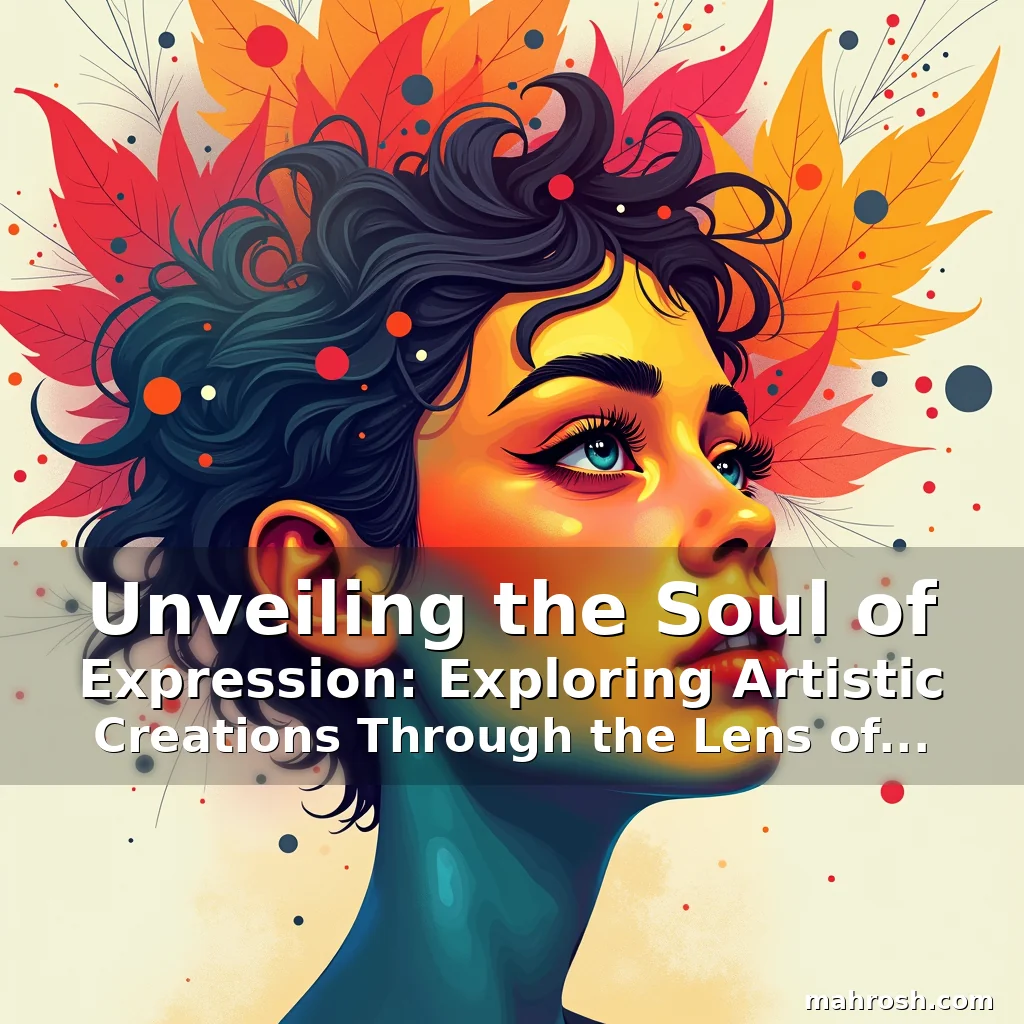
Unveiling the Soul of Expression: Exploring Artistic Creations Through the Lens of Mahrosh Culture
The world of artistic creations thrives on imagination, emotion, and cultural resonance. For the Mahrosh community, art is not merely a form of entertainment—it is a living testament to their history, values, and aspirations. From intricate carvings etched onto sacred stones to vibrant murals adorning village walls, Mahrosh artistic expressions weave narratives that transcend time.
In recent years, the Mahrosh community has witnessed a renaissance of creativity, blending ancestral traditions with contemporary influences. This fusion has given rise to dynamic new mediums, diverse themes, and innovative techniques that reflect the evolving identity of the people. Whether through dance, sculpture, or digital design, artistic creations remain central to Mahrosh culture.
The Historical Roots of Artistic Creation in Mahrosh
Mahrosh artistic creations trace their origins to ancient civilizations that once flourished along the region’s fertile river valleys. Early Mahroshi societies revered art as a bridge between the physical and spiritual worlds, embedding symbolism into every brushstroke, chisel mark, and woven pattern. These early works often depicted celestial bodies, mythological beings, or agricultural cycles, reflecting a deep connection to nature and cosmic order.
Archaeological discoveries reveal that Mahroshi artisans mastered techniques such as terracotta sculpting, metalwork inlay, and natural dye pigments long before similar methods were documented elsewhere. Temples and caves adorned with frescoes suggest that storytelling was a core function of Mahrosh art, preserving oral histories and religious doctrines for generations.
- Spiritual Symbolism: Many Mahroshi artworks incorporated geometric patterns believed to channel divine energy, such as spirals representing life cycles or mandalas symbolizing unity.
- Craftsmanship Legacy: Families passed down specialized skills, including weaving textiles with golden threads or crafting ceremonial masks for ritual dances, ensuring continuity of technique.
Contemporary Expressions: Bridging Tradition and Innovation
Today, Mahrosh artists navigate a delicate balance between honoring ancestral legacies and embracing modernity. Digital tools, global connectivity, and cross-cultural exchanges have expanded the boundaries of what constitutes “Mahrosh” art. Young creators now experiment with multimedia installations, virtual reality, and AI-generated designs while still drawing inspiration from traditional motifs.
This evolution reflects broader societal shifts within the Mahrosh community. As urbanization accelerates, many artists seek ways to integrate indigenous aesthetics into modern architecture, fashion, and technology. Exhibitions showcasing hybrid styles—such as LED-lit sculptures shaped like ancient totems—are becoming increasingly popular among both locals and international audiences.
The Rise of Hybrid Art Movements
Data from recent cultural surveys indicate that nearly 68% of Mahroshi artists aged 25–40 incorporate non-traditional materials into their work. This trend includes repurposing industrial waste into mosaics or combining holographic projections with hand-painted canvases. Such innovations challenge conventional definitions of “authentic” Mahrosh art while attracting younger demographics.
Art collectives and online platforms play a pivotal role in fostering this movement. Social media hashtags like #ModernMahrosh and #HeritageReimagined have amassed millions of interactions, allowing emerging talents to gain visibility beyond regional borders. However, debates persist about whether these adaptations dilute or enrich the essence of Mahrosh creativity.
Cultural Identity and the Power of Storytelling Through Art
At its heart, Mahrosh art serves as a vessel for storytelling—one that transcends spoken language. Traditional epics, folklore, and genealogical records are encoded in visual symbols, performances, and textures. Even in the face of globalization, these narratives remain vital to preserving the community’s distinct identity.
One striking example is the *Narra Dance*, a centuries-old performance that uses elaborate costumes and rhythmic movements to recount the tale of a legendary hero who united warring tribes. Today, choreographers reinterpret this story through contemporary dance, incorporating hip-hop beats and neon lighting to resonate with modern sensibilities.
The Role of Oral History in Visual Art
Many Mahroshi elders believe that certain stories must be preserved visually rather than orally due to the risk of misinterpretation. Painters and sculptors collaborate with historians to document these tales accurately, creating pieces that act as “visual archives.” One notable project involved recreating lost mural fragments from a medieval temple using pigment analysis and archival research.
These efforts underscore the symbiotic relationship between art and memory. By transforming ephemeral stories into tangible artifacts, Mahroshi artists ensure that their cultural heritage endures even in rapidly changing times.
Challenges Facing Mahrosh Artisans in the Modern Era
Despite its vibrancy, the Mahrosh artistic landscape faces pressing challenges. Rapid urban development threatens to displace artisan communities whose homes double as studios. Additionally, mass-produced imitations of traditional crafts flood the market, undermining the value of handmade originals.
Economic pressures force many skilled artisans to abandon their trades in favor of higher-paying jobs outside the arts sector. Government grants and private sponsorships exist, but they often prioritize commercially viable projects over experimental or culturally significant ones. This creates a tension between artistic integrity and financial survival.
- Preservation vs. Profit: Some artisans struggle to maintain ethical production standards while competing with cheaper, factory-made alternatives.
- Lack of Institutional Support: Few museums or galleries dedicate space exclusively to Mahroshi art, limiting exposure and academic study of the field.
Education and Mentorship: Nurturing Future Generations
To safeguard Mahrosh artistic traditions, investment in education and mentorship programs is critical. Community-run schools teach children traditional skills—from woodcarving to songwriting—while universities offer interdisciplinary courses merging fine arts with technology or anthropology.
Youth engagement initiatives, such as youth art residencies or apprenticeships with master craftsmen, have shown promising results. In one program, students created interactive exhibits that combined augmented reality with ancestral myths, demonstrating how education can foster both reverence for the past and curiosity about the future.
Globally Inspired Local Programs
A growing number of Mahrosh institutions partner with international organizations to fund scholarships for aspiring artists. These partnerships often result in exchange programs where Mahroshi creatives travel abroad to learn new techniques, later sharing their knowledge upon return.
However, critics argue that excessive external influence risks homogenizing Mahroshi art. Striking a balance between global collaboration and cultural sovereignty remains an ongoing dialogue among educators, policymakers, and artists alike.
Art as Resistance: Amplifying Marginalized Voices
Throughout history, Mahrosh artists have used their craft to voice dissent against injustice, oppression, or environmental degradation. During colonial rule, secret paintings hidden in cave networks conveyed coded messages of resistance. Today, public art installations continue this legacy, critiquing systemic issues like inequality or ecological exploitation.
Street artists in urban centers employ bold graffiti to highlight struggles faced by minority groups within the Mahrosh population. Their work often goes unnoticed until viral campaigns bring attention to overlooked narratives. These acts of defiance reaffirm art’s power to provoke thought and inspire action.
- Poetry as Protest: Spoken-word poets perform verses criticizing corruption or advocating for gender equality, drawing crowds during cultural festivals.
- Digital Activism: Online campaigns featuring animated shorts or digital collages have mobilized support for land rights and climate justice causes.
The Future of Mahrosh Art: Possibilities and Predictions
Looking ahead, the trajectory of Mahrosh artistic creations appears boundless. Advances in biotechnology may enable artists to cultivate living sculptures made from genetically modified plants, while blockchain technology offers new avenues for authenticating and trading rare works.
As artificial intelligence becomes more integrated into creative fields, questions arise about authorship and originality. Will AI-generated Mahroshi-inspired art be celebrated as innovation—or dismissed as imitation? These conversations will shape the next chapter of Mahrosh artistic evolution.
Global Recognition and Economic Opportunities
In the coming decade, Mahroshi artists stand to gain unprecedented global recognition. International art fairs, documentaries, and museum acquisitions are already elevating lesser-known Mahroshi names onto the world stage. This increased visibility brings economic benefits but also demands careful navigation of cultural appropriation pitfalls.
Collaborations with foreign designers, filmmakers, and musicians present exciting prospects. Yet success hinges on mutual respect and equitable partnerships that honor Mahrosh traditions instead of reducing them to exotic curiosities.
Conclusion
The journey of Mahrosh artistic creations—from ancient temples to digital screens—is a testament to human resilience and creativity. Every stroke, note, and carving carries layers of meaning, connecting individuals to their ancestors, their environment, and each other.
For the Mahrosh community and all who appreciate art, the invitation is clear: Engage deeply, support local artisans, and champion the voices shaping tomorrow’s creative landscapes. Because in protecting and celebrating artistic diversity, we protect ourselves.

news is a contributor at Mahrosh. We are committed to providing well-researched, accurate, and valuable content to our readers.