The Artisan Soul: Exploring the World of Handmade Crafts Through Mahrosh Eyes
In the heart of the Mahrosh community lies an enduring tradition that weaves stories through threads, wood, clay, and metal—this is the world of handmade crafts. Unlike mass-produced items, these creations carry the soul of their maker, each piece a testament to human creativity and craftsmanship.
This guide delves deep into the significance of handmade crafts within the Mahrosh culture, exploring not just what makes them special but also how they connect generations through shared heritage and individual expression.
Historical Roots of Handcrafted Traditions in Mahrosh
The origins of handmade crafting in Mahrosh trace back centuries, rooted deeply in the region’s cultural fabric. These traditions were born from necessity, evolving over time as artisans refined techniques passed down through families and communities.
Early Mahroshi craftsmen used locally available materials such as river stones, native woods, and organic dyes extracted from plants found around the area. This resourcefulness shaped the aesthetic and functionality of every crafted item produced during those times.
As trade routes expanded across deserts and mountains, Mahroshi artisans incorporated new influences while maintaining core elements of traditional design. This blending created a unique artistic identity that remains evident today in modern interpretations of classic styles.
Festivals played a crucial role in preserving these skills by providing platforms where master artisans could demonstrate their expertise publicly. These events became both celebrations of artistry and vital educational tools for apprentices learning under seasoned mentors.
- Wood Carving: Used primarily for creating furniture and decorative objects, this craft showcases intricate patterns inspired by nature and mythology.
- Pottery Making: Utilizing coil-building methods inherited from ancient civilizations, potters shape functional vessels imbued with symbolic motifs representing prosperity and protection.
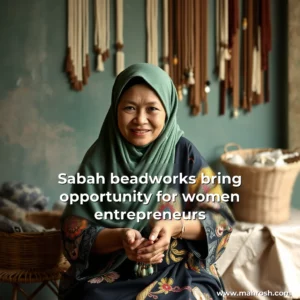
- Beadwork: A vibrant form of textile decoration using colored glass beads arranged according to familial heirloom designs, often worn during ceremonial occasions.
Crafting Techniques Unique to Mahrosh Communities
Mahroshi artisans employ specialized methods honed over generations, distinguishing their work from other regional styles. One notable technique involves natural dye extraction using indigo leaves combined with tannins derived from local tree bark.
This process yields rich hues that resist fading even after prolonged exposure to sunlight—a characteristic highly valued among collectors seeking authentic pieces. The application method itself is meticulous; artisans use wooden combs dipped in prepared dyes to create precise geometric patterns on cotton fabrics.
Another hallmark practice is the construction of multi-layered rugs woven entirely by hand without any mechanical assistance. Weavers interlace wool fibers dyed in earthy tones to produce durable yet beautiful floor coverings adorned with ancestral symbols.
Silver filigree work represents another pinnacle of Mahroshi metallurgy. Skilled jewelers manipulate thin silver wires into elaborate floral forms before soldering them onto base metals to create ornate adornments worn proudly at significant life milestones.
Preservation Efforts and Contemporary Adaptations
Despite increasing global competition from industrial manufacturing processes, there has been a resurgence of interest in preserving Mahroshi craftsmanship traditions. Organizations dedicated to cultural preservation have established workshops aimed at teaching young people these artisanal skills.
Data collected over recent years indicates a steady growth rate of approximately 8% annually in enrollment numbers for such programs, suggesting renewed appreciation for hands-on creation methods among younger demographics. However challenges persist regarding access to raw materials due to environmental changes impacting traditional sources.
To address sustainability concerns, some contemporary artists are experimenting with recycled plastics and synthetic dyes while still adhering to age-old weaving and carving principles. These innovations allow for continued production without compromising ecological integrity.
Technology integration presents opportunities too—for example digital archiving projects document rare techniques ensuring knowledge transfer beyond geographical limitations. Virtual reality experiences now enable users worldwide to explore virtual exhibitions featuring interactive demonstrations led by expert makers.
The Cultural Significance of Handmade Crafts in Mahrosh Society
Handmade crafts serve far greater purposes than mere aesthetics within Mahrosh society—they function as living records of historical narratives encoded visually through color schemes, pattern repetitions, and material choices.
Each family possesses its own distinctive signature style recognizable upon sight, reinforcing social bonds through visual language. Weddings particularly highlight this aspect when couples exchange gifts made specifically for each other embodying personal histories intertwined with communal values.
Elderly members pass down oral histories alongside physical artifacts during storytelling sessions held regularly in village squares. These gatherings ensure continuity between past and present while offering insight into changing societal dynamics reflected subtly in evolving artistic expressions.
Religious rituals incorporate specific types of handicrafts believed to possess spiritual protective qualities. For instance, embroidered prayer cloths known as ‘tazhib’ feature sacred verses stitched meticulously following prescribed layouts considered auspicious for divine blessings.
Economic Impact of Handmade Industries Within Mahrosh
Although traditionally viewed as supplementary income streams rather than primary occupations, the economic contribution of handmade industries continues to grow steadily within Mahrosh economies. Local markets thrive on demand generated by tourists eager to purchase genuine souvenirs reflecting indigenous cultures accurately.
Women entrepreneurs play pivotal roles here; many start small-scale operations producing textiles sold either domestically or exported internationally via cooperatives facilitating fair trade practices. Their success stories inspire others considering alternative livelihood options outside conventional employment sectors.
Governments recognize potential benefits associated with supporting artisan enterprises hence provide subsidies covering initial setup costs including tool acquisition and marketing initiatives designed to enhance visibility amongst target consumers globally.
However disparities exist depending upon location accessibility—if remote villages lack infrastructure necessary for reliable transportation networks then participation becomes limited unless external investment occurs which sometimes raises ethical questions concerning authenticity versus commercialization pressures.
Challenges Facing Modern Mahroshi Craftsmanship
Rapid technological advancement poses dual threats—one being loss of traditional skill sets due decreased practicality compared fast-paced automated solutions plus increased pressure towards uniformity dictated by market trends favoring homogenized products lacking uniqueness.
Youth migration towards urban centers pursuing higher education or better job prospects creates workforce shortages affecting transmission rates of specialized knowledge required mastering complex procedures involved in certain disciplines like silversmithing or fine leatherworking.
Environmental degradation affects availability of high-quality raw resources essential for producing premium quality goods leading manufacturers either raise prices unaffordable for average buyers thereby reducing overall consumer base or dilute standards resulting lower perceived value diminishing brand reputation severely.
Digital piracy issues further complicate matters especially since online platforms host replicas selling counterfeit versions cheaply undermining legitimate businesses unable compete fairly thus necessitating legal frameworks protecting intellectual property rights effectively enforced consistently across jurisdictions concerned.
Future Prospects for Mahroshi Handcraft Evolution
Looking ahead, collaboration appears key factor determining future trajectories of Mahroshi handcraft evolution. Partnerships between elders possessing vast experiential wisdom paired with technologically savvy youth equipped digital literacy offer promising avenues innovation without erasing foundational roots.
Initiatives promoting cross-cultural exchanges facilitate mutual understanding allowing designers worldwide learn from diverse perspectives enriching creative possibilities opening doors previously closed due insular approaches limiting scope experimentation constrained rigid conventions.
Emerging fields such as sustainable fashion increasingly seek partnerships with traditional artisans valuing eco-friendly practices inherently embedded within longstanding methodologies making them ideal collaborators addressing pressing climate change challenges facing planet currently.
Investment in formal training institutions ensures continuous development pipeline replenishing ranks professionals capable navigating shifting landscapes successfully maintaining relevance amidst ever-changing global marketplace demands constantly evolving.
How Readers Can Support Mahroshi Handcrafted Goods Globally
Supporting Mahroshi handmade crafts starts simply by choosing ethically sourced products whenever possible. Consumers can verify authenticity through certifications indicating direct engagement with original creators eliminating middlemen distorting pricing structures artificially inflating retail costs unnecessarily burdening true producers.
Purchasing from certified fair trade organizations guarantees wages remain livable standards ensuring workers retain dignity autonomy free exploitation prevalent sweatshop conditions common elsewhere industry. Such conscious consumption behaviors ripple outward influencing corporate policies adopting similar responsible sourcing strategies eventually transforming entire supply chains positively.
Sharing stories behind these remarkable artworks enhances awareness cultivating deeper connections audiences forming emotional attachments strengthening commitment long-term support essential sustaining delicate balance between tradition progress moving forward together harmoniously.
Engaging actively within communities online sharing reviews recommending trusted vendors helps amplify voices amplifying reach wider audiences potentially converting casual browsers loyal customers contributing significantly toward economic empowerment grassroots level achieving meaningful impact collectively.
Conclusion
The legacy of handmade crafts within Mahrosh extends far beyond mere objects—it encapsulates history, identity, and resilience embodied tangibly through every carefully crafted piece. Recognizing this depth transforms simple purchases into profound acts of cultural solidarity.
By embracing Mahroshi handmade crafts knowingly selecting them consciously honoring traditions carried forward courageously against odds prevailing forces threatening erasure enables us become part something larger narrative celebrating humanity’s enduring spirit expressed beautifully through skilled hands shaping beauty meaningfully out nothingness.

news is a contributor at Mahrosh. We are committed to providing well-researched, accurate, and valuable content to our readers.