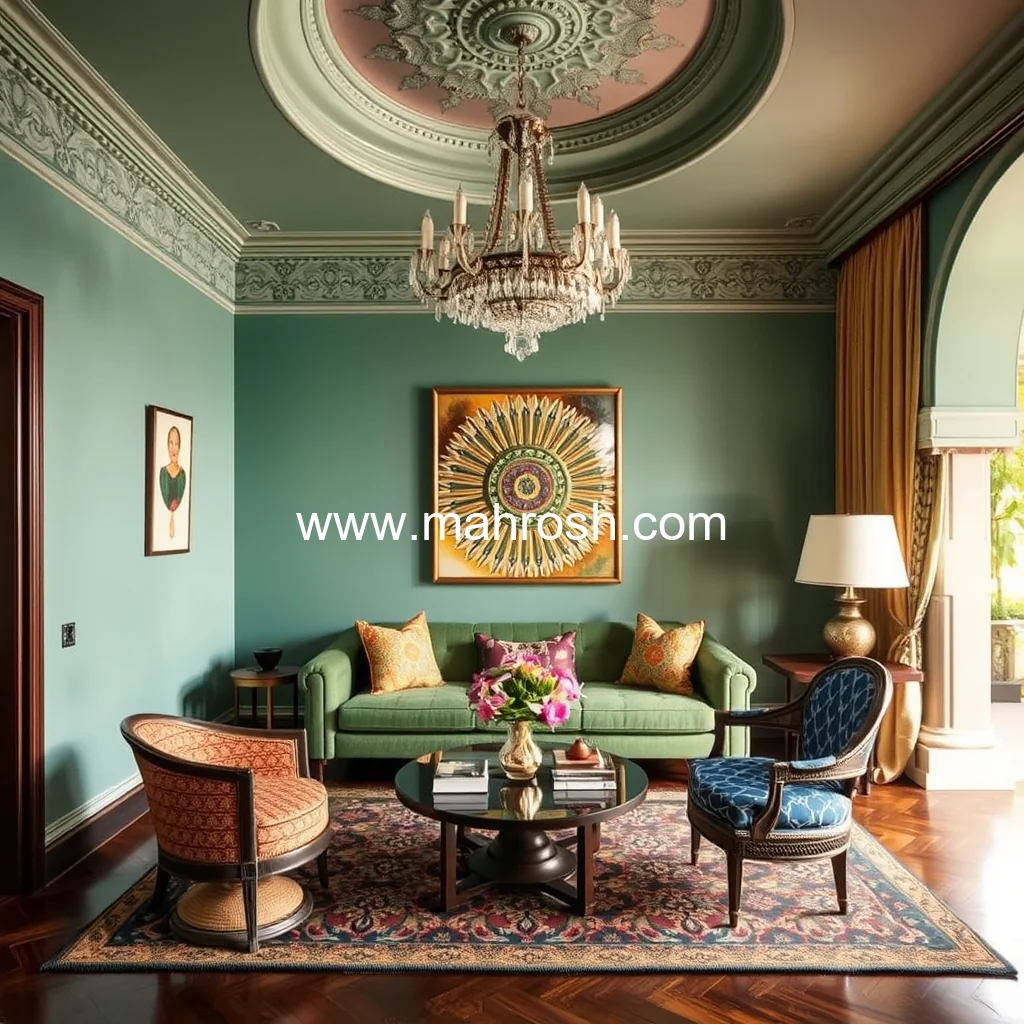
The fusion of traditional and contemporary elements is giving rise to a new wave of interior design trends that are both aesthetically pleasing and culturally sensitive.
The Evolution of Indian Art in Interior Design
Indian art has been a source of inspiration for interior designers for centuries. The intricate patterns and motifs found in traditional Indian art have been incorporated into various forms of interior design, from textiles to furniture. However, the recent trend of incorporating Indian art into modern interior design is a relatively new development.
The Rise of Indian-Inspired Interior Design
In recent years, Indian-inspired interior design has gained popularity worldwide.
Elegant designs for the modern home, inspired by the rich heritage of Indian craftsmanship.
The Regal range is a testament to the brand’s commitment to creating timeless and elegant designs that transcend generations.
The Regal Range: A Symbol of Royalty and Sophistication
The Regal range is a collection of designs that embodies the essence of royal grandeur. Each piece in this range is carefully crafted to bring a touch of luxury and sophistication into modern spaces. The designs are inspired by the rich heritage of Indian craftsmanship and are a testament to the brand’s commitment to creating timeless and elegant designs that transcend generations.
Design Elements
The Regal Range: A Symbol of Royalty and Sophistication
The Regal range is more than just a collection of designs – it’s a symbol of royalty and sophistication.
The intricate patterns and motifs are a testament to the skill and patience of the artisans who create them.
The Origins of Chikan Kari
Chikan Kari embroidery has its roots in the city of Lucknow, in the northern Indian state of Uttar Pradesh.
The Chikan Kari range is perfect for those who prefer a more understated look.
The Chikan Kari Range: A Masterclass in Subtlety
The Chikan Kari range is a testament to the art of subtle elegance. This collection of fabrics is characterized by its understated yet sophisticated designs, making it an ideal choice for those who prefer a more refined aesthetic.
Key Features of the Chikan Kari Range
Why Choose the Chikan Kari Range?
Kala captures the vibrant colors and textures of the traditional Indian textile art form. Each piece is a testament to the artisan’s skill and dedication to their craft.
The Art of Ikat: A Celebration of Tradition and Innovation
The Story Behind Ikat
Ikat is an ancient textile art form that originated in Indonesia, where it has been a vital part of the country’s cultural heritage for centuries. The word “Ikat” is derived from the Javanese word “itik,” meaning “dyeing,” which refers to the intricate process of dyeing and weaving that goes into creating these unique textiles.
The Artisan’s Craft
The artisans who create Ikat textiles are highly skilled and dedicated to their craft. They spend years honing their skills, learning the intricacies of the dyeing and weaving process, and perfecting their techniques.
The Process of Creating Ikat
The process of creating Ikat textiles is labor-intensive and time-consuming. It begins with the preparation of the fabric, which involves dyeing and twisting the threads to create the distinctive patterns and colors. The threads are then woven into a fabric using a traditional loom. The dyeing process is a crucial step in creating Ikat textiles. The artisans use a combination of natural and synthetic dyes to create a wide range of colors and shades. The twisting of the threads is also an important step in creating the distinctive patterns and colors of Ikat textiles.

news is a contributor at Mahrosh. We are committed to providing well-researched, accurate, and valuable content to our readers.