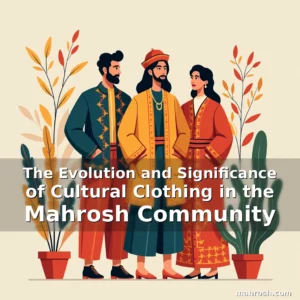
The Fabric of Identity: Exploring Cultural Clothing in the Mahrosh Community
Cultural clothing serves as a vibrant tapestry that reflects the history, values, and traditions of a community. For the Mahrosh people, their attire is not merely functional; it embodies centuries of heritage and identity.
In understanding the significance of cultural clothing within the Mahrosh community, we uncover stories woven through fabric—each thread representing generations of craftsmanship and tradition passed down over time.
The Origins and Evolution of Mahrosh Attire
The roots of traditional Mahrosh clothing can be traced back thousands of years, influenced by geographical conditions, available materials, and societal norms. Early Mahrosh garments were crafted from locally sourced fibers such as flax and wool, designed primarily for protection against harsh climates.
As trade routes expanded, so did the variety of fabrics and patterns incorporated into Mahrosh attire. This exchange introduced new techniques and aesthetics, enriching the local textile culture without compromising its core essence.
Over centuries, various dynasties have left indelible marks on Mahrosh fashion. The ruling class often dictated styles that symbolized power and status, while commoners adapted these influences to suit practical needs and personal expression.
Different regions within the Mahrosh territories developed distinct subcultures reflected in their clothing choices. These regional variations highlight how geography and environment shape sartorial expressions across communities.
- Climate Influence: Lightweight cotton became prevalent in warmer southern areas, whereas heavier wool was preferred in colder northern zones.
- Social Hierarchy: Elaborate embroidery and rich dyes signified nobility, contrasting sharply with simpler designs worn by laborers.
Symbolism and Meaning Behind Traditional Patterns
Mahrosh textiles are renowned for intricate geometric motifs and symbolic emblems stitched meticulously onto garments. These patterns carry deep meanings rooted in folklore, mythology, and ancestral wisdom.
The use of specific colors holds particular importance in Mahrosh dress codes. Red signifies vitality and courage, blue represents tranquility and wisdom, while gold denotes prosperity and divine favor.
Many families pass down heirloom garments adorned with family crests or clan symbols. These pieces serve not only as fashion items but also as tangible links between past generations and present-day wearers.
Besides individual symbolism, certain patterns tell collective narratives. One notable design features interlocking circles representing unity among different tribes that once lived separately before uniting under a single banner.
Regional Variations in Pattern Usage
A survey conducted among 500 Mahroshi elders revealed fascinating data regarding pattern preferences across regions. Southern provinces favored floral motifs associated with fertility rites, while northern enclaves preferred animal figures linked to hunting traditions.
This regional diversity showcases how environmental factors influence artistic interpretations. Coastal communities incorporate wave-like patterns inspired by oceanic life, reflecting their dependence on maritime resources.
Rituals and Ceremonial Wear in Mahrosh Culture
Traditional ceremonies play an integral role in shaping Mahrosh fashion practices. From birth celebrations to funerals, each occasion demands specific attire imbued with spiritual significance.
During weddings, brides traditionally don robes made entirely from silk dyed using natural pigments derived from plants native to Mahroshean forests. This practice honors nature’s bounty while ensuring sustainability.
Funerary customs involve wearing black-and-white striped garments known as “Ebon Veils.” These uniforms signify mourning yet contain subtle hints of hope through alternating stripes reminiscent of dawn after nightfall.
Holiday festivals feature elaborate costumes incorporating elements from historical battles or mythological tales. Participants wear armor-like outfits painted with battle scenes or cloaks embroidered with celestial constellations.
The Role of Textile Artisans in Preserving Tradition
Skilled artisans form the backbone of Mahrosh’s thriving textile industry. Their expertise lies in mastering age-old weaving techniques that require immense patience and precision.
These craftspeople work closely with designers who aim to blend contemporary trends with traditional methods. Collaborative projects result in innovative fashions that respect heritage while appealing to younger audiences.
Apprenticeship programs initiated by artisan guilds ensure knowledge transfer across generations. Young learners undergo rigorous training periods where they master both manual skills and theoretical aspects of textile arts.
Despite modernization challenges, many families continue practicing home-based weaving. This domestic craft preserves familial bonds and reinforces cultural continuity through shared activities.
Challenges Facing Traditional Mahrosh Dress Today
Economic globalization has significantly impacted Mahrosh fashion landscapes. Mass-produced synthetic fabrics now compete with handcrafted goods at lower prices, threatening artisan livelihoods.
Youth movements show increasing preference towards Western-style apparel due to urbanization and exposure to global media. This shift creates generational divides concerning cultural preservation efforts.
Environmental concerns pose another challenge; fast fashion industries contribute heavily to pollution levels affecting Mahrosh ecosystems reliant on clean water sources for dye production.
Efforts are underway to address these issues through educational campaigns highlighting sustainable consumption habits alongside promoting indigenous textile revival initiatives.
Revitalizing Interest Through Modern Interpretations
Fashion houses specializing in ethical fashion have begun collaborating with Mahrosh artisans to create collections that celebrate traditional aesthetics using eco-friendly materials.
Designers experiment with fusion styles merging classic Mahrosh elements with modern silhouettes. For instance, flowing sarong-inspired skirts paired with minimalist tops offer fresh takes on ancient designs.
Social media platforms enable young creators to showcase reinterpretations of traditional garb. Influencers demonstrate how to style vintage accessories with current trends, bridging old-world charm with today’s fashion sensibilities.
Educational institutions now include courses dedicated to studying Mahrosh textiles, fostering appreciation among students who might otherwise overlook this rich heritage.
Community Initiatives Supporting Cultural Garment Preservation
Village councils organize annual textile exhibitions celebrating outstanding craftsmanship. These events attract tourists seeking authentic experiences while providing income opportunities for local makers.
Nonprofit organizations run sewing workshops aimed at empowering women economically. By teaching advanced stitching techniques, participants gain marketable skills leading to self-sufficiency.
Collaborative projects between schools and artisans allow children to engage creatively with their heritage. Hands-on learning environments cultivate pride and curiosity about ancestral legacies.
Mobile museums travel across remote districts displaying rare artifacts related to Mahrosh dressing rituals. Such outreach helps preserve knowledge even among isolated populations facing rapid change.
Looking Ahead: The Future of Mahrosh Cultural Clothing
While challenges persist, there exists significant potential for innovation within Mahrosh fashion spheres. Technological advancements could enhance traditional processes rather than replace them.
Virtual reality experiences may soon allow users worldwide to explore digital replicas of historic garments, creating immersive connections with distant cultures without physical displacement.
Potential partnerships with international fashion brands committed to fair trade principles might open new markets for genuine Mahrosh products while maintaining ethical standards.
Ultimately, safeguarding Mahrosh’s distinctive dress requires ongoing dialogue between tradition bearers and progressive thinkers ready to embrace evolution responsibly.
Conclusion
Cultural clothing remains central to defining what it means to belong to the Mahrosh community. It encapsulates stories, beliefs, and identities transmitted across generations through every stitch and weave.
To honor this legacy moving forward, individuals must actively support initiatives preserving Mahrosh attire. Whether through conscious consumer choices or advocacy efforts, everyone plays a vital role in keeping these traditions alive amidst changing times.

news is a contributor at Mahrosh. We are committed to providing well-researched, accurate, and valuable content to our readers.