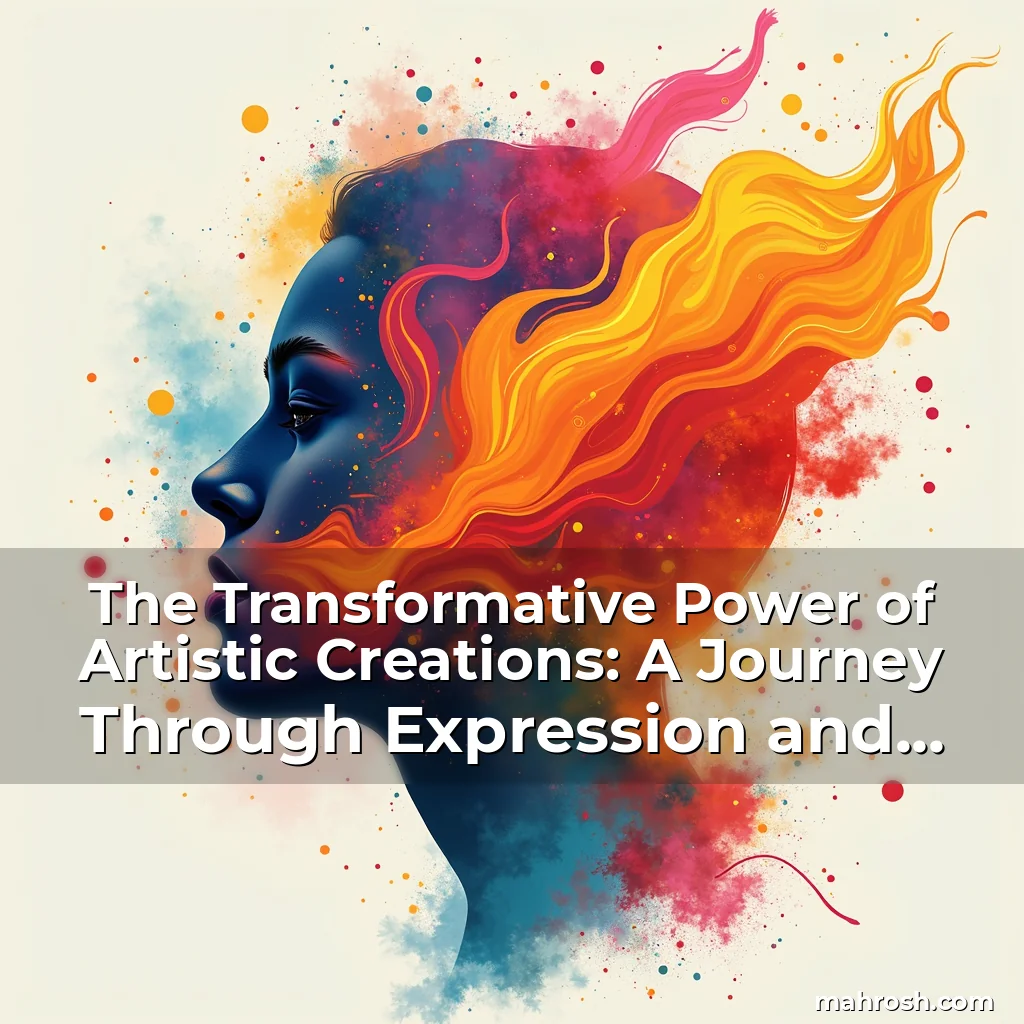
The Transformative Power of Artistic Creations: A Journey Through Expression and Innovation
In an age where technology rapidly reshapes our world, artistic creations stand as timeless testaments to human emotion, culture, and imagination. From ancient cave paintings to modern digital masterpieces, art has always been a mirror reflecting society’s values, struggles, and aspirations.
This exploration delves into how artistic creations serve as both personal expressions and collective narratives, shaping identities and fostering connections across diverse communities. Whether through visual arts, music, literature, or performance, these forms of expression are essential threads weaving together the fabric of human experience.
Understanding the Essence of Artistic Creations
Artistic creations encompass a vast spectrum of mediums and techniques that allow individuals to convey their thoughts, feelings, and experiences creatively. This diversity is what makes art such a powerful tool for communication and self-expression.
At its core, art transcends language barriers by allowing people from different backgrounds to connect through shared emotions and ideas. It can provoke thought, evoke empathy, and inspire action—making it an integral part of cultural development.
One key aspect of artistic creation lies in its ability to transform everyday objects into meaningful symbols. Artists often use found materials, recycled items, or natural elements to create pieces that challenge perceptions and encourage viewers to see the world differently.
Moreover, artistic creations provide a platform for marginalized voices to be heard. Throughout history, artists have used their work to highlight social injustices, advocate for change, and celebrate underrepresented cultures.
The Role of Creativity in Artistic Expression
Creativity is at the heart of every artistic endeavor, driving innovation and pushing boundaries within various disciplines. It allows artists to experiment with new techniques and explore uncharted territories in their chosen fields.
A strong creative process typically involves brainstorming, experimenting, refining, and revisiting ideas until they align perfectly with the artist’s vision. This iterative approach ensures that each piece reflects deep consideration and intentionality.
Many successful artists attribute their breakthroughs to moments of inspiration sparked during routine activities or unexpected encounters. These flashes of insight often lead to groundbreaking works that redefine entire genres or movements.
While some may believe creativity is innate, research indicates that it can also be cultivated through practice, exposure to diverse influences, and embracing failure as part of growth. Encouraging curiosity and open-mindedness fosters environments conducive to artistic flourishing.
Fostering Creative Thinking in Education
Educational institutions play a crucial role in nurturing young minds capable of innovative thinking. Integrating arts education into curricula helps students develop critical skills such as problem-solving, collaboration, and emotional intelligence.
Studies show that children who engage regularly with artistic activities demonstrate enhanced cognitive abilities and better academic performance. They learn to think abstractly, take risks without fear of judgment, and appreciate multiple perspectives.
Furthermore, incorporating project-based learning approaches enables students to apply theoretical knowledge practically while exploring real-world issues through creative lenses. Such methods promote deeper engagement and long-lasting retention of information.
Schools that prioritize arts programs report higher student satisfaction levels and improved overall well-being among participants. The positive impact extends beyond classrooms, influencing family dynamics and broader societal attitudes toward creativity.
Different Forms of Artistic Creation Across Cultures
Cultures around the globe express themselves uniquely through various forms of artistic creation, showcasing rich traditions passed down through generations. These varied expressions reflect distinct histories, beliefs, and environmental contexts.
In many indigenous societies, storytelling remains central to preserving ancestral wisdom and communal identity. Oral traditions combined with visual representations ensure continuity between past and present generations.
Musical traditions vary widely too; from intricate compositions using traditional instruments in West Africa to complex harmonies characteristic of classical Indian ragas. Music serves dual purposes—it entertains but also conveys spiritual significance and historical events.
Literature offers another avenue for cross-cultural exchange, enabling authors to share stories rooted in local customs yet universally relatable themes. Poetry recitations, folk tales, and epic narratives continue evolving alongside technological advancements affecting global connectivity.
Technological Advancements and Their Impact on Modern Art
Rapid technological progress has revolutionized contemporary artistic practices, expanding possibilities previously unimaginable. Digital tools now enable creators to manipulate images, sounds, and virtual realities seamlessly.
Emerging technologies like artificial intelligence and augmented reality introduce novel ways of interacting with art. Interactive installations respond dynamically to viewer input, creating immersive experiences tailored specifically for individual preferences.
Despite concerns over automation replacing human touch, many artists embrace tech innovations as extensions rather than replacements for creative processes. Collaborative projects involving programmers, designers, and musicians exemplify this synergy between tradition and modernity.
Virtual galleries and online exhibitions make artworks accessible globally, dismantling geographical limitations once restricting access to physical museums and galleries. Social media platforms further amplify visibility for emerging talents reaching wider audiences instantly.
The Emotional Resonance of Artistic Creations
Art possesses unparalleled capacity to elicit profound emotional responses, resonating deeply within those who encounter it. Whether joyful, melancholic, or contemplative, artistic expressions offer solace and understanding amid life’s complexities.
Visual artworks capture fleeting moods effectively through color palettes and brushstrokes. A vibrant red might signify passion or danger depending upon context, illustrating how perception shapes interpretation significantly.
Musicians compose melodies designed explicitly to influence mood states—uplifting tunes elevate spirits whereas somber ballads provide cathartic release. This intentional design underscores music’s therapeutic potential recognized worldwide today.
Poetry taps into linguistic nuances conveying layered meanings beneath simple words. Metaphors become vehicles carrying heavy burdens related to love loss grief or hope thus making poetry particularly impactful emotionally.
Art as Cultural Identity and Heritage Preservation
Throughout history, art has functioned as vital means preserving cultural heritage ensuring future generations inherit legacy intact. Traditional crafts murals sculptures all contribute substantially towards maintaining ethnic identities visibly tangible manner.
Communities invest considerable effort safeguarding endangered arts forms fearing extinction due rapid globalization homogenizing tastes reducing uniqueness distinguishing groups from others.
Documentation efforts including digitization archival initiatives aid preservation against time erosion damage caused neglect. Museums libraries collaborate closely experts documenting artifacts before deterioration irreversible occurs.
Ethnic festivals feature prominently celebrating ancestral roots via dance performances textile displays culinary showcases reinforcing pride belonging amongst participants spectators alike.
Community Engagement Through Artistic Initiatives
Engagement initiatives centered around artistic endeavors foster unity strengthen bonds between members varying demographics ages professions. Workshops collaborative mural projects benefit immensely from participation spanning wide range contributors.
Public spaces transformed temporary canvases hosting graffiti sessions led professional artists amateurs alike encouraging inclusive environment expressing collective visions freely without restrictions imposed conventional settings.
Youth involvement particularly rewarding seeing younger generation discover passions ignite imaginations pursue careers related fields inspired early exposure opportunities provided through outreach programs.
Volunteerism thrives when individuals dedicate themselves promoting accessibility equity ensuring everyone regardless background enjoys equal opportunity experiencing beauty created fellow beings sharing common humanity.
Challenges Facing Contemporary Artists Today
Modern artists grapple numerous obstacles ranging economic instability shifting market demands increased competition limited resources available support systems. Balancing commercial viability authenticity proves increasingly difficult navigating ever-changing landscape industry.
Unauthorized reproduction piracy threaten livelihoods especially independent creators lacking legal recourse protect intellectual property rights. Safeguarding originality becomes paramount concern requiring constant vigilance adaptation strategies counteract theft dilution value.
Environmental sustainability emerges pressing issue confronting eco-conscious practitioners seeking alternative materials reduce carbon footprint. Innovations utilizing biodegradable substances renewable energy sources demonstrate commitment ethical responsibility towards planet Earth.
Psychological toll demanding nature profession cannot ignored. Chronic stress burnout depression prevalent among professionals struggling meet expectations maintain productivity amidst pressures external internal forces constantly pulling opposite directions.
Future Directions for Artistic Creations
Looking ahead promising developments await artists eager innovate evolve alongside societal transformations occurring simultaneously. Emerging trends indicate shift emphasis interdisciplinary collaborations merging domains science humanities technology opening unprecedented avenues exploration discovery.
Education sector pivotal role preparing next wave talent equipped navigate challenges opportunities arising digital era. Curriculums must incorporate critical thinking adaptability resilience essential qualities thriving uncertain times ahead.
Global dialogues intensifying necessitate greater sensitivity respect differences enriching multicultural exchanges. Cross-border partnerships facilitate mutual learning appreciation fostering global citizenship consciousness vital addressing universal issues affecting mankind collectively.
Advocacy campaigns championing mental health awareness gaining traction importance prioritizing well-being professionals active participants movement redefining success happiness fulfillment measured differently now than yesterday.
Conclusion
Artistic creations remain indispensable facet human existence continuously adapting reflecting evolution civilization itself. They encapsulate deepest sentiments most intricate philosophies bridging gaps separating us through shared understanding compassion creativity.
To fully harness transformative power art requires sustained investment protection advocacy ensuring continued relevance vibrancy future generations inherit thriving ecosystem nurtured care dedication from all stakeholders involved.

news is a contributor at Mahrosh. We are committed to providing well-researched, accurate, and valuable content to our readers.