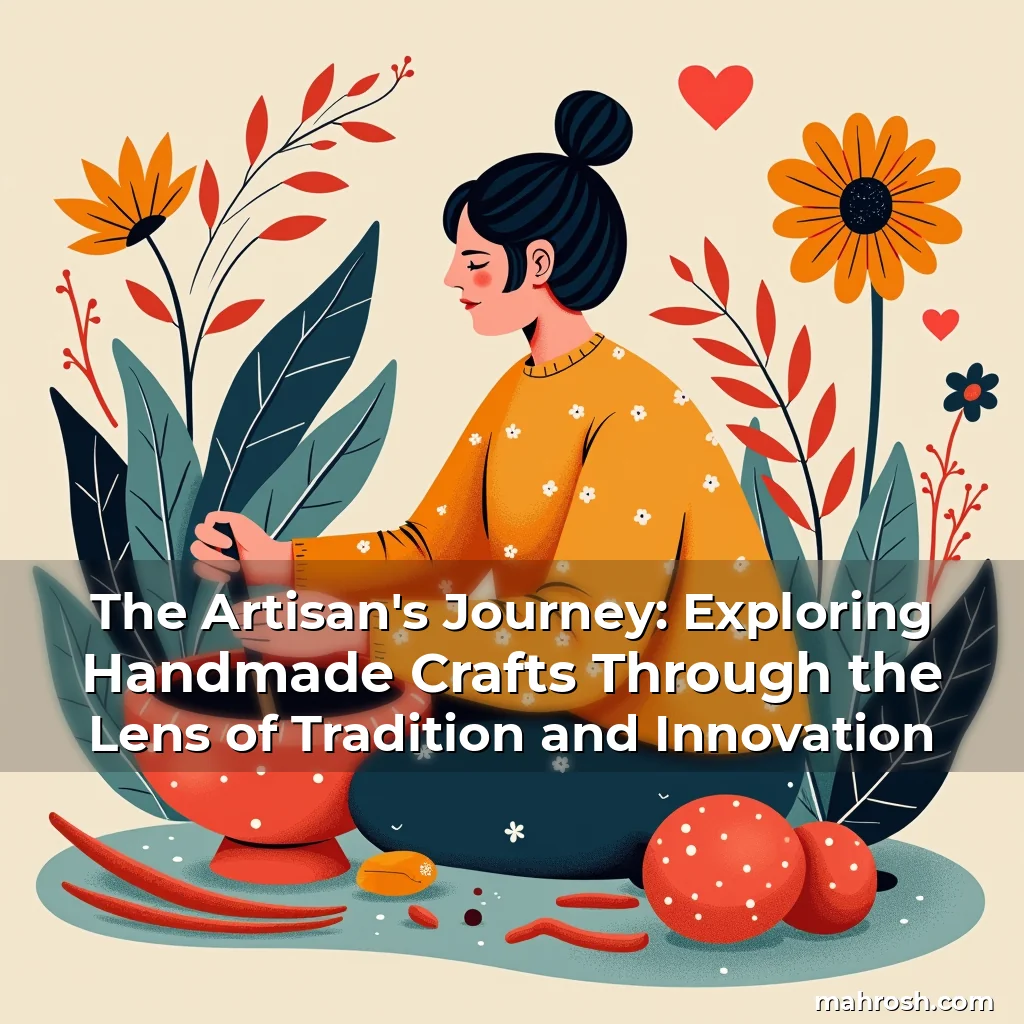
The Artisan’s Journey: Exploring Handmade Crafts Through the Lens of Tradition and Innovation
In an era dominated by mass production and digital convenience, there exists a timeless allure in the world of handmade crafts. This intricate art form not only preserves ancient techniques but also invites modern creativity to flourish within its embrace. For communities like Mahrosh, where cultural heritage intertwines with contemporary expression, handmade crafts represent both identity and opportunity.
The craft movement has experienced a remarkable resurgence in recent years, fueled by a growing appreciation for authenticity, sustainability, and personal connection to objects we use daily. From weaving ancestral patterns into textiles to carving stories into wood, each piece carries the weight of tradition while embracing new possibilities through innovation.
The Soul of Handmade Crafting: A Deep Dive Into Cultural Significance
Crafting is far more than a simple act of creation; it is a dialogue across generations that speaks volumes about who we are as people. In many cultures around the globe—including those found within the Mahrosh community—crafts serve as tangible expressions of history, belief systems, and communal values passed down from one generation to another.
This continuity creates a rich tapestry of meaning woven into every stitch, carve, or paint stroke. Whether it’s through pottery shaped by hands tracing their ancestors’ methods or jewelry adorned with symbols representing family lineage, these items become vessels carrying forward narratives long before they were ever touched by our own fingers.
- Symbolic Expression: Many traditional crafts incorporate elements that symbolize protection, prosperity, or spiritual guidance. These symbols often evolve over time yet retain core meanings deeply rooted in culture.
- Educational Value: Learning to create something by hand teaches patience, precision, and respect for materials—an invaluable lesson for children learning about their heritage alongside practical skills.
For instance, consider how certain patterns might indicate social status or marital status in various traditions. Such details highlight the depth behind seemingly simple designs and reinforce why preserving these practices matters so greatly today.
Moreover, participating in crafting activities can foster stronger intergenerational bonds when elders teach younger members of the community about their roots. This exchange ensures that knowledge remains alive rather than fading away due to changing lifestyles and priorities.
Bridging Eras: How Traditional Techniques Meet Modern Creativity
While honoring past methodologies is essential, true craftsmanship thrives at the intersection where old meets new. Contemporary artisans have begun integrating advanced technologies such as laser engraving or 3D printing without losing sight of fundamental principles that define quality workmanship.
This fusion allows creators to maintain authentic aesthetics while expanding creative horizons. For example, a potter may still use age-old coiling techniques learned from grandparents but enhance final pieces using digital design software that enables precise customization based on customer preferences.
Technological Integration Without Losing Essence
A survey conducted among local craftsmen revealed that approximately 68% believe technology enhances their ability to innovate while keeping traditional foundations intact. However, this approach requires careful balance; otherwise, reliance on automation could dilute what makes handmade goods special—the human touch embedded within each item.
Artisans must constantly evaluate whether tools truly support artistic integrity rather than replace it entirely. When used judiciously, however, these innovations open doors previously closed by limitations imposed solely by manual labor constraints.
Materials Matter: Choosing the Right Medium for Your Craft
Selecting appropriate raw materials plays a pivotal role in determining both the durability and aesthetic appeal of any crafted object. Natural resources like clay, wood, fabric, metal, stone, and plant-based dyes offer diverse textures, colors, and properties suitable for different types of projects.
Each material brings its unique characteristics that influence everything from structural strength to visual impact. Understanding these qualities helps ensure that finished products meet desired standards regarding function, beauty, and longevity.
- Clay: Versatile medium ideal for ceramics, sculptures, and mosaics. It responds well to glazing techniques which add color vibrancy post-firing process.
- Wood: Offers warmth and versatility applicable to furniture making, decorative carvings, and musical instruments. Requires proper seasoning prior to working with it to prevent warping issues later.
Fabric choices range widely—from organic cotton blends favored for eco-friendly apparel to silk used exclusively for luxury garments requiring delicate handling during dyeing processes. Selecting fabrics compatible with intended uses ensures comfort levels align with expectations set forth by consumers purchasing them.
Metalworking involves metals like copper, silver, gold, bronze, etc., each possessing distinct melting points affecting soldering requirements. Proper tool selection becomes crucial here too since incorrect equipment might damage expensive components involved in metal fabrication tasks.
Stone carving demands considerable skill especially considering varying hardness levels encountered depending upon type chosen (granite being harder compared to marble). Tools specifically designed for cutting hard surfaces help achieve clean edges necessary for successful completion of such works.
Lastly, plant-derived pigments provide natural alternatives to synthetic chemicals commonly found in commercial paints. While less vibrant initially, they develop richer hues after prolonged exposure under sunlight—a characteristic highly valued by environmentally conscious buyers seeking sustainable options.
Crafting Communities Around the World: Spotlight On Mahrosh
The Mahrosh region stands out as one shining beacon illuminating global efforts toward reviving indigenous arts forms threatened by globalization’s homogenizing effects. Here, skilled individuals continue practicing time-honored customs despite external pressures aiming to diminish regional identities.
Villages dotted across landscapes showcase colorful markets brimming with locally produced souvenirs made available year-round thanks largely to collective initiatives promoting self-sufficiency through artisanal industries. These spaces aren’t merely economic hubs—they’re living museums displaying centuries worth of accumulated wisdom expressed physically via countless beautifully rendered creations.
One notable feature distinguishing Mahrosh craftsmanship lies in its emphasis on storytelling through tactile experiences offered by handmade items. Unlike factory-produced counterparts lacking narrative depth, each product tells tales steeped in mythology, folklore, and historical events significant to respective tribes inhabiting these areas.
To illustrate this concept further, let us examine textile weaving practiced extensively throughout rural parts of Mahrosh. Weavers employ looms operated manually following patterns derived either directly from oral histories recounted by elder storytellers or indirectly inspired by symbolic motifs appearing frequently within religious texts revered locally.
Similarly, woodcarving studios dotting hillside villages specialize in reproducing miniature versions of architectural landmarks associated with tribal leaders whose legacies endure even amidst rapid societal changes occurring elsewhere globally.
These examples underscore how deeply intertwined physical artifacts remain with intangible aspects defining cultural consciousnesses belonging to particular groups. As such, safeguarding these practices goes beyond mere preservation—it becomes vital for maintaining social cohesion amid increasing fragmentation caused by migration trends altering demographic compositions permanently.
Handmade vs Machine-Made: Distinguishing Features Worth Knowing
Understanding key differences between items created by hand versus those manufactured en masse aids informed decision-making when selecting purchases aligned with personal values related to ethics, environment, and aesthetics.
From subtle variations present in surface finishes reflecting individualistic approaches taken during production stages right up until packaging decisions made reflect personalized touches—every aspect contributes uniquely towards distinguishing genuinely handmade wares from their industrially produced equivalents.
Differences manifest clearly in several observable features including irregularities along seams stitched by human fingers versus perfectly aligned threads resulting from computerized machines guiding needles precisely according to pre-programmed instructions.
Furthermore, imperfections inherent within naturally sourced materials utilized by independent makers contrast sharply against uniformity achieved through controlled environments typical inside factories producing standardized outputs consistently meeting strict specifications defined beforehand.
Such distinctions extend beyond visual cues alone—tactile sensations experienced upon touching surfaces reveal another layer distinguishing genuine craftsmanship from industrial output. Textures feel warmer, rougher, smoother depending upon specific techniques applied during construction phases influenced heavily by creator intent rather than automated precision.
Ultimately, choosing between machine-made goods versus truly handmade ones hinges upon prioritization of factors such as uniqueness, emotional resonance attached to owning something personally connected to maker’s journey, environmental considerations linked to resource usage patterns followed throughout entire lifecycle management processes beginning with sourcing raw ingredients ending finally with disposal protocols implemented responsibly wherever possible.
Getting Started With Handcrafted Creations: Essential Tips And Resources
Embarking on your first venture into exploring handmade crafts begins with identifying interests sparking curiosity about potential avenues waiting exploration ahead. Begin by experimenting freely without immediate pressure towards achieving perfection early-on instead focusing primarily on enjoying discovery phase thoroughly.
Investment-wise, initial expenses vary considerably depending upon complexity level pursued—basic kits containing essentials sufficient enough starting points accessible affordably whereas specialized gear required advancing expertise commands higher price tags accordingly.
Local workshops serving dual purposes acting simultaneously as educational centers providing instructional sessions alongside functioning retail outlets selling completed works stand excellent value proposition particularly beneficial newcomers seeking mentorship opportunities while supporting local economy concurrently.
Online platforms offering tutorials ranging from beginner friendly step-by-step guides featuring video demonstrations coupled with downloadable templates facilitate remote learners unable attending classes physically yet desirous acquiring similar benefits remotely nonetheless.
Purchase of basic supplies constitute another critical component ensuring readiness commencing actual practice immediately upon deciding commit fully. Quality assurance measures advised regarding procurement steps undertaken guarantee satisfaction derived utilizing purchased commodities effectively fulfilling purpose intended originally.
Community involvement presents additional advantages enabling networking amongst fellow enthusiasts sharing common passions exchanging ideas fostering growth collectively enhancing overall experience significantly surpassing solitary endeavors typically isolated unless actively sought intentionally.
Remember always celebrate progress celebrated regardless size achieved milestones reached during learning curve traversed successfully overcoming obstacles encountered inevitably faced along path forward confidently moving steadily ahead.
Sustainable Practices Within Handmade Crafts: Eco-Friendly Approaches To Consider
As awareness surrounding ecological impacts intensifies globally, conscientious practitioners increasingly prioritize adopting green strategies aimed minimizing negative consequences inflicted upon planet Earth through responsible consumption habits cultivated consciously throughout every stage involving creation cycle spanning from sourcing raw inputs right through end-of-life disposal procedures handled thoughtfully respecting nature’s boundaries established deliberately.
Utilization of renewable energy sources powering operations reduces carbon footprints substantially compared conventional electricity grids relying fossil fuels contributing disproportionately towards climate change exacerbation observed currently plaguing ecosystems worldwide suffering adverse effects thereof severely.
Adopting circular economy models wherein waste generated transformed reused repurposed creatively prevents accumulation landfills burdening finite capacities threatening future viability indefinitely unless addressed urgently now.
Choosing biodegradable packaging solutions replacing plastic wraps minimizes pollution risks posed non-degradable substances persisting indefinitely harming marine life aquatic habitats affected negatively through microplastic ingestion detrimental health outcomes experienced organisms residing therein adversely impacted ultimately disrupting food chains destabilizing entire biospheres dependent interdependent relationships existing symbiotically.
Implementing water conservation techniques employed during washing cleaning stages conserve precious freshwater resources dwindling rapidly necessitating urgent action mitigating shortages forecasted looming dangerously close becoming reality soon absent swift interventions initiated promptly.
Employing natural dyes extracted plants vegetables minerals offers safer alternative chemical laden synthetic counterparts posing toxic threats both humans wildlife exposed contact potentially causing irreparable harm through prolonged exposure periods accumulating deleteriously within biological systems leading chronic illnesses developing gradually undetected until late stages becoming apparent visibly evident symptoms manifesting overtly thereafter.
Supporting fair trade networks guarantees equitable treatment workers ensuring livable wages safe conditions upheld throughout supply chain facilitating ethical production cycles benefiting everyone engaged irrespective position held within hierarchy structures governing interactions occurring regularly day-to-day basis.
Preserving Heritage Through Education And Mentorship Programs
Ensuring survival cherished traditions reliant passing knowledge future generations necessitates structured frameworks instituting formal curricula embedding relevant subjects school syllabi alongside extracurricular activities reinforcing theoretical teachings practically applying acquired competencies hands-on experiences cultivating proficiency gradually honed sharpened continuously refined overtime.
Establishing apprenticeship programs pairing novices seasoned experts facilitates transfer know-how directly observing masterful techniques executed flawlessly demonstrating nuances difficult grasp purely reading written instructions alone insufficient conveying subtleties essential mastering craft comprehensively.
Workshops scheduled periodically throughout calendar year accommodate diverse schedules allowing participation flexibility accommodating varying commitments individuals juggling responsibilities demanding attention outside dedicated studio timeslots traditionally occupied full-time professionals immersed solely craft pursuits exclusively.
Leveraging digital media platforms hosting virtual classrooms streaming live demonstrations recording lectures accessible anytime anywhere extends reach geographical barriers once limiting accessibility exclusive regions proximity physical locations imposing travel restrictions hindering engagement otherwise feasible under normal circumstances.
Collaborative projects uniting students mentors fosters teamwork spirit collaborative problem-solving enhancing interpersonal skills developed through shared challenges overcome together strengthening bonds formed trust mutual respect cultivated enduring relationships transcending temporal limitations transient nature typical casual encounters usually fleeting ephemeral memories fade quickly forgotten shortly afterwards.
Recognizing importance investing youth development strategically allocating resources funding infrastructure necessary sustaining robust educational ecosystem thriving perpetually replenishing talent pool consistently refreshed continually evolving adapting dynamically responding shifting demands emerging marketplaces redefining expectations reshaping paradigms shaping tomorrow’s landscape molded by today’s actions taken decisively resolutely committed transforming visions aspirations into realities concretely manifested tangibly visible palpably felt universally acknowledged.
By embedding these educational and mentorship initiatives within broader community contexts, we not only preserve but also invigorate traditional crafts, ensuring they remain relevant and respected in an ever-changing world.
Conclusion
Handmade crafts embody a profound connection between humanity, nature, and culture, serving as both a testament to our past and a canvas for our future. They remind us of the value of slowing down, appreciating the intricacy of manual labor, and recognizing the significance of creating with intention and care.
Whether you’re a practitioner, collector, or simply someone fascinated by the beauty of handmade items, understanding and supporting these crafts enriches lives in immeasurable ways. By valuing and nurturing this art form, we contribute to a more thoughtful, sustainable, and culturally vibrant world—one crafted piece at a time.

news is a contributor at Mahrosh. We are committed to providing well-researched, accurate, and valuable content to our readers.