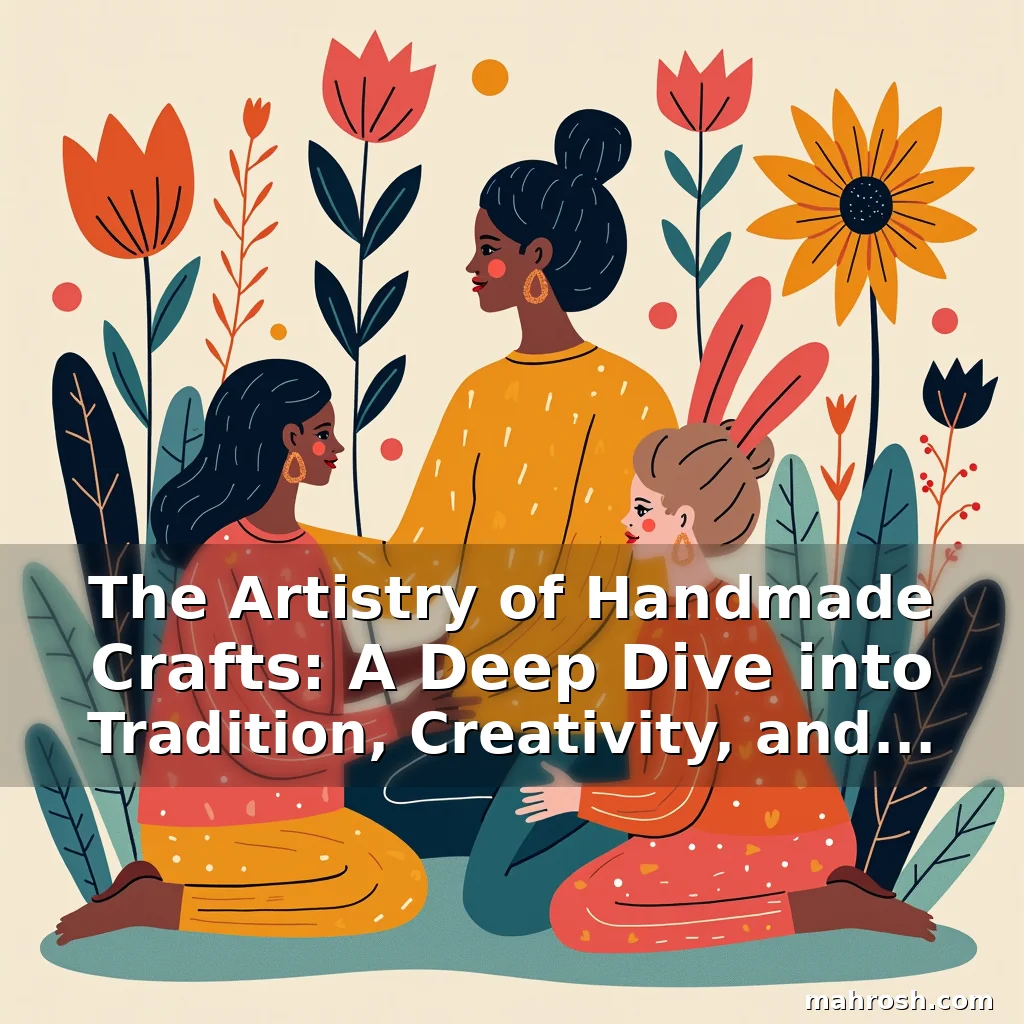
The Artistry of Handmade Crafts: A Deep Dive into Tradition, Creativity, and Community
In an era dominated by mass production and digital convenience, the allure of handmade crafts offers a refreshing return to authenticity. From intricate woodwork to delicate pottery, these creations are not merely objects but embodiments of tradition, creativity, and personal expression.
The resurgence of interest in handmade crafts is not accidental; it reflects a growing desire among individuals to connect with tangible heritage, support ethical practices, and embrace the beauty of imperfection that machine-made items often lack.
The Cultural Significance of Handmade Crafts
Handmade crafts serve as living artifacts of cultural identity, preserving traditions passed down through generations. In many communities, artisans continue age-old techniques using methods learned from family members, ensuring their survival in modern times.
These crafts often incorporate symbols, patterns, and materials unique to particular regions, making them powerful markers of cultural heritage. For example, Navajo weavers use traditional looms and natural dyes to create textiles that reflect centuries of indigenous storytelling.
By supporting local crafters, consumers become part of a larger narrative—one that honors ancestral knowledge while allowing it to evolve in contemporary contexts.
Cultural preservation through craftsmanship also fosters intergenerational bonds, as elders teach younger ones the skills necessary to sustain their artistic legacies.
Key aspects:
- Crafts can be seen as historical documents, capturing societal values and aesthetics at different points in time.
- Many traditional techniques require years of practice, highlighting the dedication involved in mastering each skill.
The Creative Process Behind Handmade Items
Creating handmade crafts begins with inspiration—often drawn from nature, personal experiences, or cultural motifs. This initial spark then guides every stage of development, from material selection to final finishing touches.
Making something by hand requires patience and attention to detail. Unlike factory-produced goods, where uniformity reigns supreme, handmade pieces carry subtle variations that make them truly one-of-a-kind.
Artisans must possess both technical skill and creative vision to transform raw materials into finished products. Whether working with clay, fabric, metal, or paper, they apply specialized techniques honed over years of practice.
This process encourages mindfulness, helping creators stay present and focused during long hours spent shaping their visions into reality.
Diverse Categories of Handmade Crafts
The world of handmade crafting encompasses numerous disciplines, ranging from textile arts to woodworking. Each category boasts its own distinct characteristics and appeal.
Textile Arts: Weaving, embroidery, quilting, and knitting fall under this umbrella. These crafts involve manipulating fibers to create functional or decorative items such as clothing, home décor, and accessories.
Woodworking: Crafting furniture, carving sculptures, or creating wooden toys involves shaping timber using various tools and joinery techniques. The end results range from rustic farmhouse tables to intricate marquetry designs.
Jewelry Making: Beading, soldering metals, and stone setting allow artists to produce wearable art. Materials used include glass beads, precious metals, gemstones, and even unconventional elements like recycled plastics or found objects.
Pottery & Ceramics: Shaping clay through wheel throwing or slab building followed by glazing and firing creates durable yet beautiful household items like mugs, bowls, and vases.
Upcycling Projects: Repurposing old materials into new forms has gained popularity due to environmental concerns. Examples include transforming discarded denim jeans into tote bags or converting wine bottles into candle holders.
Beadwork: Using tiny beads to construct jewelry, wall hangings, or decorative accents showcases fine motor control and pattern recognition abilities. Techniques vary widely depending on regional influences and available resources.
Painting & Drawing: Though sometimes considered separate from traditional handicrafts, visual mediums like watercolor painting or ink drawing contribute significantly to the broader handmade movement when done manually rather than digitally.
Benefits of Engaging With Handmade Crafts
Participating in handmade activities provides cognitive stimulation comparable to learning a musical instrument or playing chess. It challenges the mind while promoting mental agility and problem-solving skills.
Mental health benefits extend beyond intellectual engagement too. Studies show that focusing on repetitive motions associated with certain crafts reduces anxiety levels by triggering relaxation responses similar to meditation.
Social connections flourish within crafting circles where people share ideas, collaborate on projects, and offer mutual encouragement. These interactions foster stronger relationships grounded in shared interests.
Economically disadvantaged groups benefit particularly well from access to craft opportunities since many low-cost or free supplies exist alongside online tutorials that provide instruction without formal education requirements.
Supporting Local Craft Markets and Fair Trade Initiatives
Finding authentic handmade goods means seeking out locally-owned shops, pop-up markets, or fair trade organizations committed to sustainable sourcing and equitable labor conditions.
When purchasing from independent makers instead of big-box retailers, buyers directly invest in small businesses that may otherwise struggle against corporate competition.
Fair trade certification ensures that artisans receive fair wages and work in safe environments, which helps lift entire communities out of poverty by providing stable income sources.
Consumers can identify trustworthy vendors by checking labels indicating origin information, artisan names, and descriptions explaining how each item was made.
Tips for Ethical Shopping:
- Look for cooperatives rather than individual sellers whenever possible;
- Ask questions about production processes before buying;
- Avoid products labeled ‘artisanal’ unless verified by reputable standards bodies.
The Role of Technology in Modern Handcraft
While some purists argue against integrating technology into traditional crafts, innovations actually enhance accessibility and efficiency without compromising quality.
Digital design software enables artists to plan complex patterns more easily, reducing trial-and-error phases common in manual drafting approaches.
3D printing allows for rapid prototyping of components previously difficult to manufacture by hand alone. However, most true handmade items still require human touch for assembly or finishing.
Online platforms now facilitate global collaboration between artisans who might never meet face-to-face, enabling cross-cultural exchange of techniques and styles.
Getting Started With Your Own Handmade Journey
Beginners needn’t feel overwhelmed by the vast array of possibilities available today. Starting slowly with simple projects builds confidence gradually while avoiding frustration caused by unrealistic expectations.
Investigate local classes offered by community centers, libraries, or specialty stores. Many places host beginner-friendly workshops designed specifically for those unfamiliar with basic tools and materials.
Join online forums dedicated to specific types of crafting to gain insight from experienced practitioners willing to share tips and troubleshooting advice freely.
Experimentation plays a crucial role early on—it’s okay if initial attempts don’t turn out perfectly. Every mistake serves as valuable feedback toward eventual mastery.
Preserving Handmade Traditions Through Education and Mentorship
To ensure future generations inherit these rich cultural assets, educational institutions increasingly incorporate hands-on learning experiences into curricula across grade levels.
School programs teaching weaving, basketry, or blacksmithing instill appreciation for physical labor while developing fine motor skills essential for success in STEM fields later on.
Apprenticeship models revive ancient mentoring systems wherein masters pass down wisdom through direct observation rather than written instructions alone.
Community initiatives pairing young learners with senior artisans help bridge generational gaps created by technological shifts away from tactile experiences.
Conclusion
The enduring appeal of handmade crafts lies in their ability to merge practical utility with profound emotional resonance. They remind us that behind every object there exists a story worth telling—and perhaps even sharing.
Whether you’re an aspiring creator looking to discover your niche or simply curious about what makes these works so special, remember that taking one step closer—from admiring afar to trying your hand at it yourself—is always worthy of celebration.
“`html
“`
<|End of input|>

news is a contributor at Mahrosh. We are committed to providing well-researched, accurate, and valuable content to our readers.