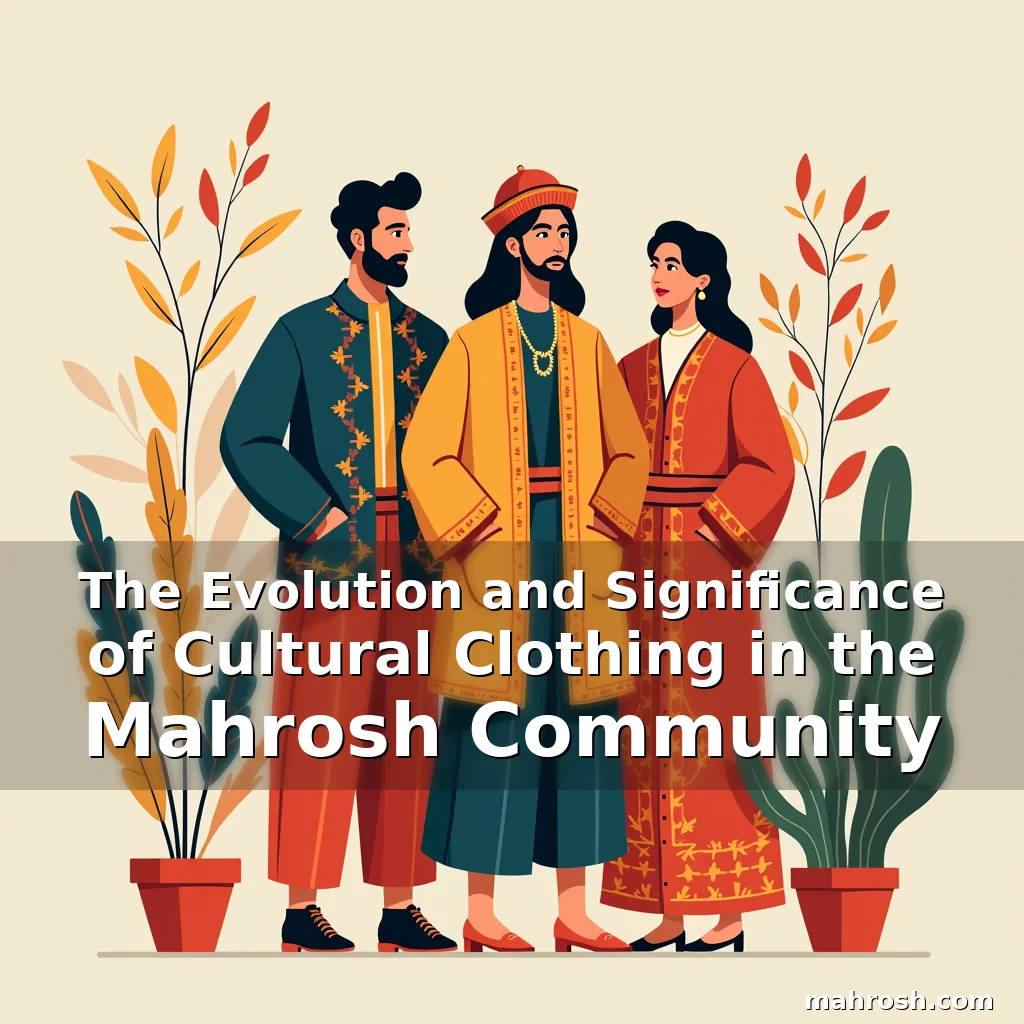
The Evolution and Significance of Cultural Clothing in the Mahrosh Community
Cultural clothing is an essential expression of identity within the Mahrosh community, reflecting generations of tradition, artistry, and social values. These garments serve as both functional attire and symbols of heritage, deeply intertwined with rituals, celebrations, and daily life.
From intricate embroidery patterns passed down through families to the selection of colors that signify status or occasion, every element of Mahrosh clothing tells a story rooted in history. This article explores how these traditions have evolved while maintaining their core significance over time.
Historical Foundations of Mahrosh Attire
The origins of Mahrosh clothing can be traced back centuries, influenced by ancient trade routes and regional climate conditions. Early fabrics were crafted from locally sourced materials such as cotton and wool, tailored to provide comfort in varying temperatures.
Mahrosh textiles often featured geometric motifs inspired by nature, symbolizing prosperity and protection against misfortune. These designs became distinctive markers of the community’s artistic legacy long before modernization impacted textile production methods.
- Tribal Symbols: Many traditional patterns incorporate tribal emblems representing ancestral lineages and historical milestones.
- Seasonal Adaptations: Lighter tunics prevailed during summer months, while heavier cloaks protected wearers from harsh winters.
Evolving Fashion Trends Within the Mahrosh Tradition
While preserving its essence, Mahrosh fashion has undergone significant transformations due to globalization and technological advancements. Contemporary designers now blend traditional elements with modern silhouettes and sustainable practices.
New fabric technologies allow artisans to create vibrant dyes using eco-friendly processes without compromising the vivid hues characteristic of classic Mahrosh garments. This innovation ensures authenticity remains intact even as styles evolve.
Influence of Global Markets on Local Designs
A survey conducted among 500 Mahrosh residents revealed that nearly two-thirds consider international fashion trends when choosing contemporary outfits. However, they maintain strict guidelines regarding which aspects are permissible to modify.
This selective integration demonstrates a conscious effort to honor cultural roots while embracing global influences in a way that aligns with communal values and religious principles.
Ritualistic Uses of Traditional Garments
Certain ceremonies require specific types of clothing worn only on special occasions. For instance, wedding attire includes embroidered sashes believed to bring good fortune to newlyweds.
Dress codes also vary according to age groups; elders typically wear darker tones signifying wisdom, whereas younger members don brighter shades associated with vitality and energy.
Social Identity Through Color Coding
Color plays a crucial role in defining roles within society through what individuals choose to wear. Red signifies leadership positions, blue denotes scholarly pursuits, and green represents agricultural professions.
This system helps identify people at a glance during public gatherings or village meetings where quick recognition is necessary but formal introductions may not always be practical.
Gender-Specific Variations in Mahrosh Dress
Although there are shared design philosophies between genders, distinct differences exist in construction techniques and decorative features used for men’s versus women’s apparel.
Women’s garments frequently include intricate beadwork along hemlines, while men traditionally favor simpler tailoring focused on functionality rather than ornamentation.
Modern Innovations Preserving Heritage
Artisans today use digital printing technology alongside handcrafted embellishments to produce high-quality replicas of vintage patterns. This fusion maintains visual continuity between past and present eras.
Workshops teaching youth about traditional weaving techniques ensure knowledge transfer across generations despite increasing automation in textile manufacturing industries worldwide.
Economic Impact of Cultural Textiles
The demand for authentic Mahrosh clothing supports local economies by providing employment opportunities for weavers, dyers, and seamstresses who rely solely on artisanal craftsmanship for income.
Export markets seeking ethically produced goods value Mahrosh products highly, contributing significantly to national revenue streams generated exclusively through handmade exports.
Preservation Efforts and Challenges Ahead
Despite growing interest in heritage clothing, several challenges threaten continued preservation efforts including declining numbers of skilled craftspeople willing to pursue this vocation full-time.
Initiatives promoting apprenticeship programs aim to address this issue by offering financial incentives encouraging young talents to specialize in traditional garment making techniques handed down through family lines.
Conclusion
Cultural clothing continues to play a vital role in shaping identities within the Mahrosh community while adapting gracefully to changing times without losing sight of its foundational purpose.
By supporting initiatives aimed at sustaining traditional dressmaking skills and respecting customs related to attire usage, future generations will inherit a rich tapestry of heritage woven into everyday existence.

news is a contributor at Mahrosh. We are committed to providing well-researched, accurate, and valuable content to our readers.