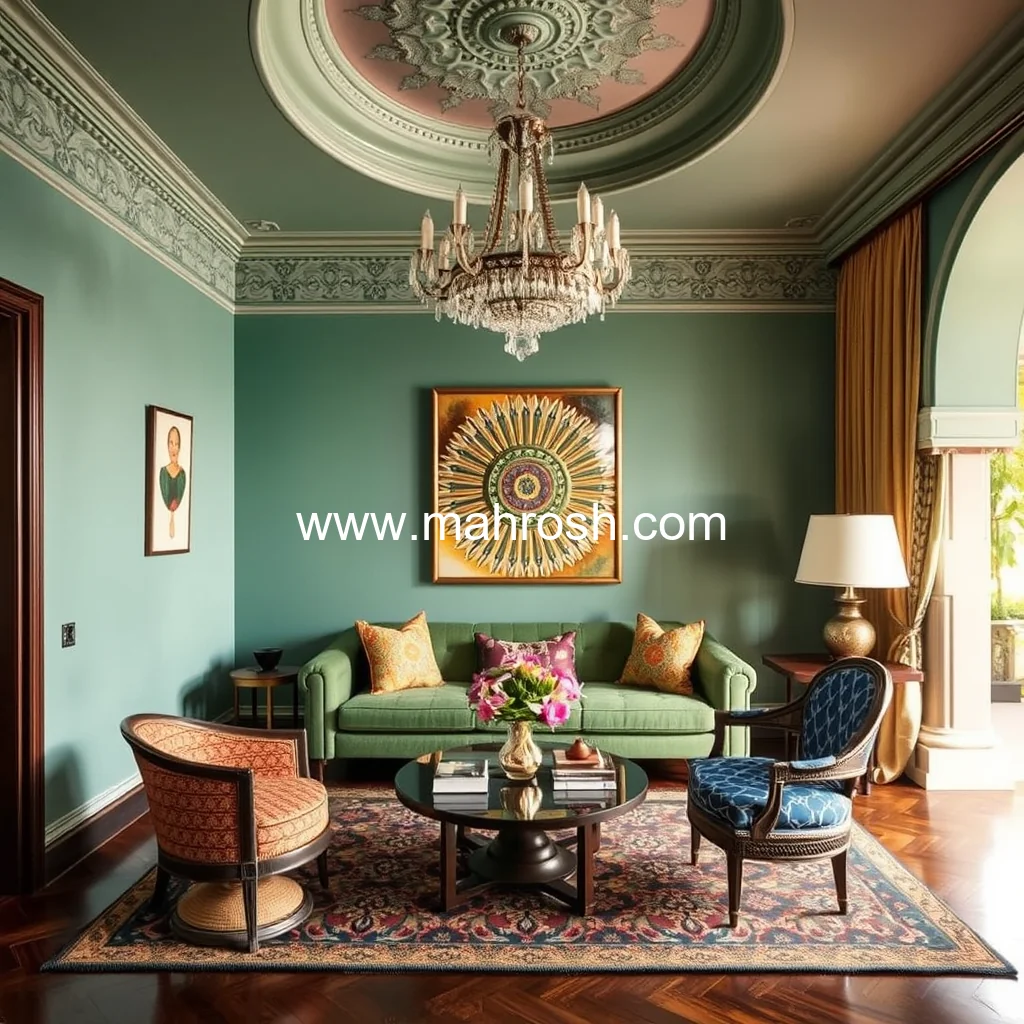
Here’s a glimpse into the world of Indian art and its influence on contemporary design.
The Rich History of Indian Art
Indian art has a rich and diverse history that spans over 5,000 years. From the Indus Valley Civilization to the Mughal Empire, each era has contributed significantly to the country’s artistic heritage. The art forms of India have been shaped by various cultures, including Hinduism, Buddhism, Jainism, and Islam. The ancient Indus Valley Civilization is known for its sophisticated urban planning, architecture, and art. The Mohenjo-Daro and Harappa cities feature intricate carvings, sculptures, and pottery that showcase the civilization’s advanced artistic skills. The Vedic period saw the emergence of Hinduism, which had a profound impact on Indian art. The Vedas, ancient Hindu scriptures, contain descriptions of various deities and mythological creatures that have been depicted in art throughout Indian history. The Mughal Empire, which ruled India from the 16th to the 19th century, is famous for its stunning architectural achievements. The Taj Mahal, a UNESCO World Heritage Site, is a testament to the empire’s artistic and engineering prowess.
The Influence of Indian Art on Modern Design
Indian art has begun to influence modern interior design in various ways.
The Regal range is a testament to the brand’s commitment to quality and craftsmanship.
The Regal Range: A Royal Tribute to Luxury
The Regal range is a stunning collection of designs that embodies the essence of royal grandeur.
Intricate patterns meet traditional roots in the art of Chikan Kari.
The intricate patterns and motifs are created using a combination of techniques, including hand-stitching and hand-painting.
The Origins of Chikan Kari
Chikan Kari has its roots in the traditional embroidery of Lucknow, a city in northern India. The art form has been passed down through generations, with each family adding its unique twist to the traditional designs.
The subtle sheen of the linen finish gives the fabric a soft, warm glow that is reminiscent of traditional Indian textiles. The Chikan Kari range is perfect for those who appreciate the understated elegance of Ikat patterns.
The Art of Chikan Kari
Chikan Kari is a traditional Indian textile art form that dates back to the 16th century. The word “Chikan” is derived from the Hindi word “chikna,” which means “to stitch.” This ancient craft involves intricate hand-stitching and embroidery techniques to create beautiful and delicate fabrics.
The Process of Chikan Kari
The process of creating Chikan Kari involves several stages:
The Significance of Chikan Kari
Chikan Kari holds significant cultural and historical importance in India.
Kala captures the vibrant colors and textures of the traditional Indian textile art form.
The Art of Sutra
Sutra is a stunning example of Ikat craftsmanship, showcasing the intricate threadwork that is characteristic of this traditional Indian textile art form. The name “Sutra” is derived from the Sanskrit word for “thread,” highlighting the central role that threadwork plays in this piece. Key features of Sutra include:
- Intricate threadwork
- Meticulous attention to detail
- Use of natural dyes
- Soft linen finish
Sutra is a testament to the skill and craftsmanship of the artisans who create these textiles.

news is a contributor at Mahrosh. We are committed to providing well-researched, accurate, and valuable content to our readers.